Magnolia Veterinary Hospital News
Preventing and Treating Hot Spots
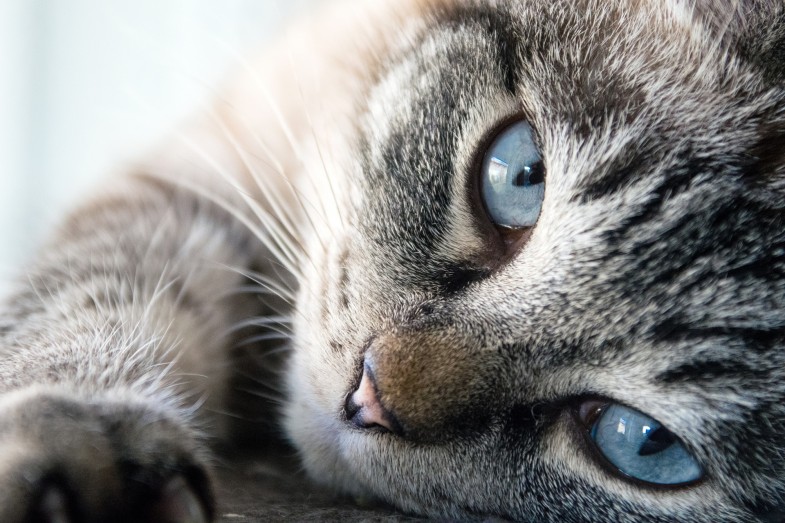
Acute moist dermatitis, more commonly known as hot spots, occurs due to a bacterial infection on your pet’s skin. Your dog or cat will naturally bite, chew, lick or scratch his skin in response to an irritant. Unfortunately for your pet, this tends to increase rather than decrease his discomfort. Anal gland disease, allergies to fleas or food ingredients, mange, tick bites, and inadequate grooming are the primary causes of hot spots in companion animals.
Hot, humid weather can cause excess skin moisture that in turn causes hot spots to develop. It’s especially important to check your pet’s skin for evidence of hot spots now that the weather is consistently warm.
How to Recognize Hot Spots
If your dog or cat has developed hot spots, she will exhibit at least a few of these symptoms
- Lesion that appears red or raised
- Unexplained swelling
- Constant licking or chewing a certain spot of her skin
- A red or brown color around the hot spot
- Unpleasant smell coming from the affected area
- Pus and oozing
- Displaying obvious signs of discomfort or pain
Preventing and Treating Hot Spots
Keeping your pet’s skin healthy is the easiest way to prevent him from developing hot spots. We recommend using year-round flea and tick protection in addition to grooming his coat regularly. Matted fur traps moisture and can attract fleas, ticks, and other parasites. Occasionally, a pet may have a behavioral issue that causes the biting, scratching, and licking that leads to hot spots. If that’s the case with your pet, speak to our veterinarians to help determine what could be causing the unwanted behavior. They are happy to recommend a specific product to prevent parasites as well.
We encourage you to contact us right away if your pet displays any of the potential signs of hot spots described above. Our telephone number is (555) 555-5555.
Categories
Recent Posts
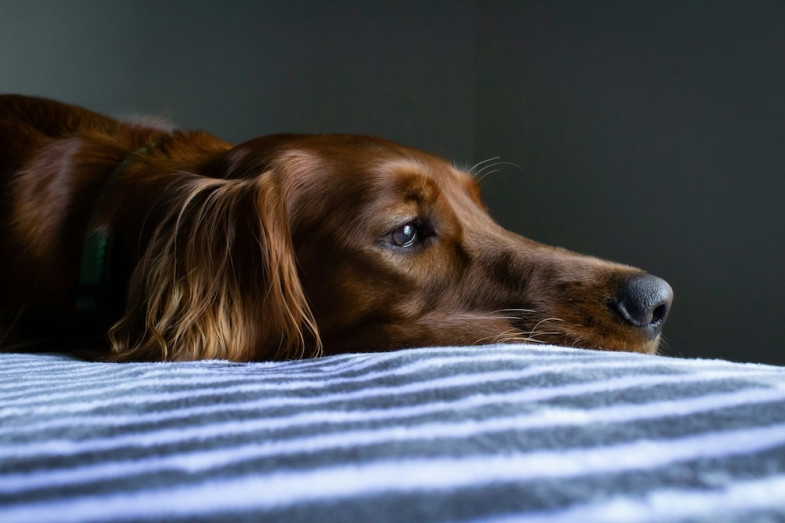
The backpacks are packed, alarms are ringing earlier, and suddenly the house is much quieter during the day. While families may be settling into a familiar school-year rhythm, pets can be left wondering where everyone went. Dogs and cats often become accustomed to summer routines filled with extra attention, playtime, walks, and companionship. When those routines change, some pets adapt quickly, while others may show signs of stress. Fortunately, a little planning and patience can make pet schedule changes easier and help your companion feel secure in the new routine.

Few things are more frightening for a pet owner than realizing their dog or cat has gone missing. Whether a gate was left open, a leash slipped loose, or an indoor cat darted out the front door, pets can become lost in an instant. While collars and ID tags are important, they can fall off or become damaged. That's why pet microchipping has become one of the most reliable ways to help reunite lost pets with their families.
If you've ever wondered what pet microchipping is or how it works, here's what you need to know.
Comments