Magnolia Veterinary Hospital News
What Is Pet Microchipping and How Does It Work?
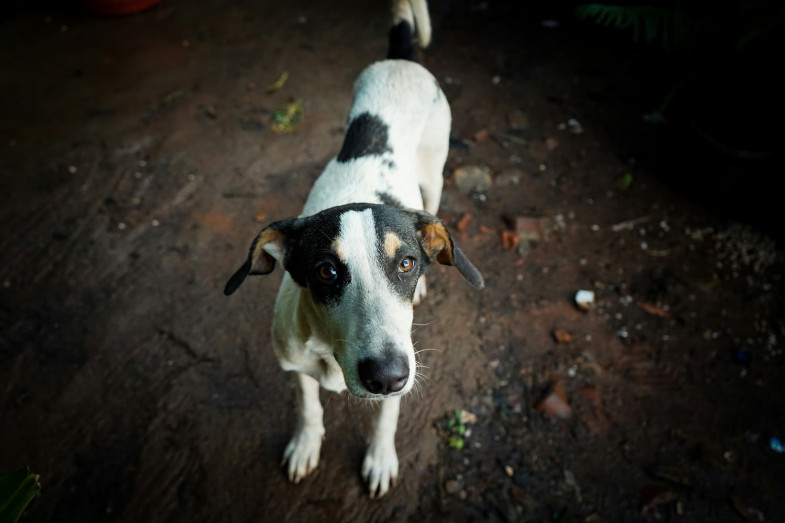
Few things are more frightening for a pet owner than realizing their dog or cat has gone missing. Whether a gate was left open, a leash slipped loose, or an indoor cat darted out the front door, pets can become lost in an instant. While collars and ID tags are important, they can fall off or become damaged. That's why pet microchipping has become one of the most reliable ways to help reunite lost pets with their families.
If you've ever wondered what pet microchipping is or how it works, here's what you need to know.
Categories
Recent Posts
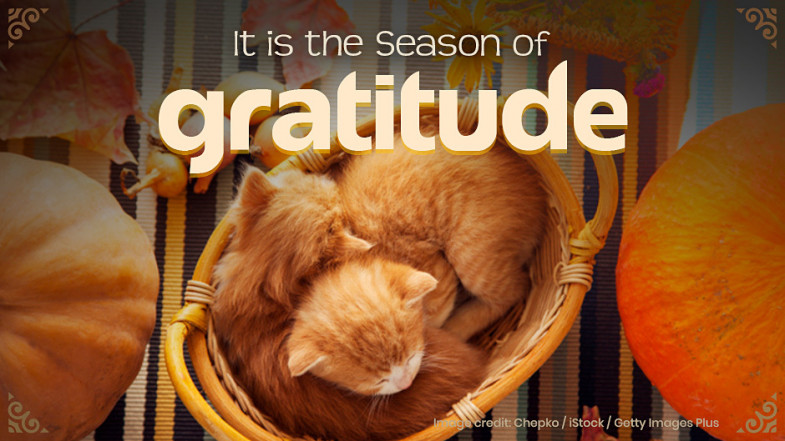
It is the season of gratitude! With Thanksgiving just around the corner, we would like to take the opportunity to thank you for allowing us to care for your precious pets, and share a few reasons why we are so grateful this holiday season.
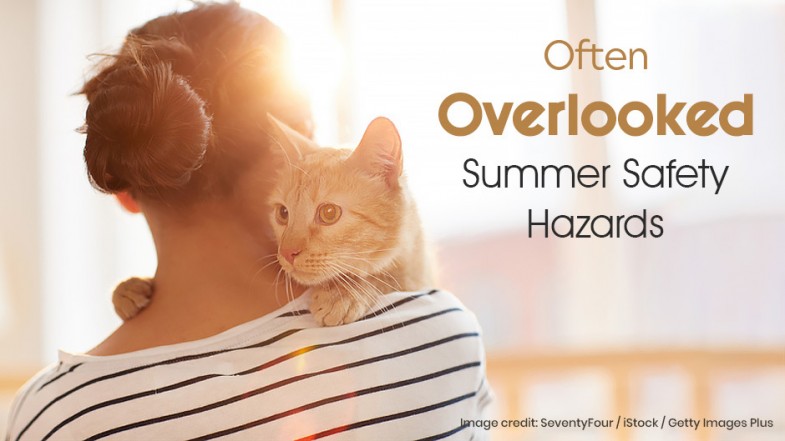
Pull out the sunglasses, ball caps, and flip-flops! Summer is in full swing. For pet owners, summer offers some of the most exciting activities to keep pets active and elated. Unfortunately, this lovely season also comes along with some less-than-fun hazards that can put a real damper on the joy of summer. While you may know not to leave your pet in the car, there are some other overlooked dangers that arise under the summer sun. Keep your pet safe by avoiding these summertime hazards:
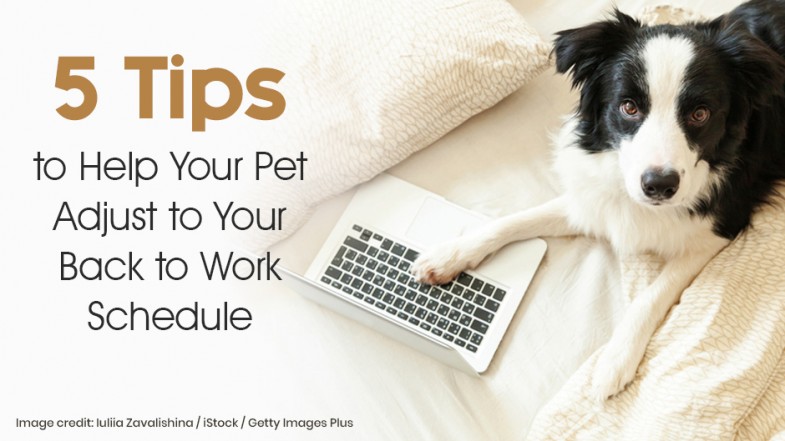
It's back to work for many of us that were working from home. But what does it mean for our pets? Amidst the pandemic, our pets became accustomed to us being home for them nearly 24/7. This can make for a ruff transition for pets and their people, leading to increased cases of separation anxiety, behavior issues, and just general boredom for pets. We want to give you five tips on how to make the adjustment process easier.