Magnolia Veterinary Hospital News
April Pet Health Tips: Prevent Heartworms and Lyme Disease Early

Spring is finally here, and with it comes longer walks, more time outdoors, and plenty of fresh air for you and your pet. But April also marks the return of two tiny threats that can cause serious harm: mosquitoes and ticks. These pests are more than just a nuisance. They carry diseases like heartworms and Lyme disease that can impact your pet’s long-term health.
Preventive Care Explained: How Small Steps Make a Big Difference
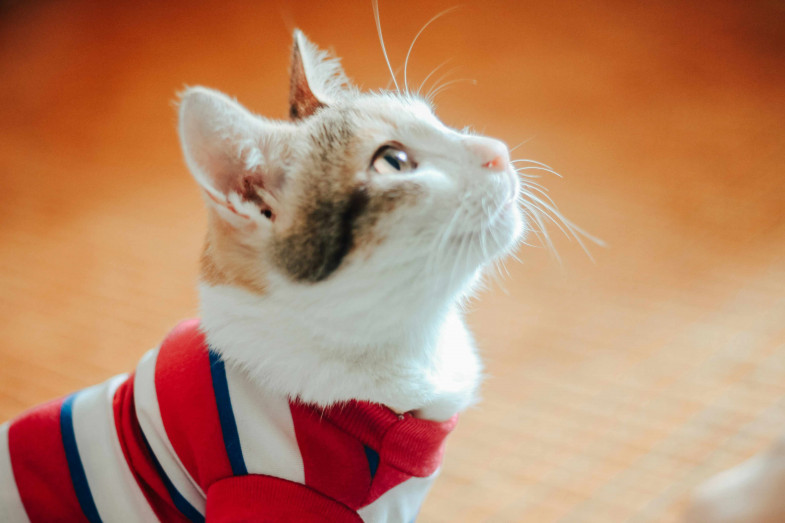
When was the last time your pet saw the veterinarian for a checkup, not because they were sick, but just to stay healthy? Preventive care is one of the most important ways to give your pet a longer, happier life. It’s not about doing one big thing. It’s about the small, consistent steps that help avoid bigger health problems later on.
Categories
Recent Posts
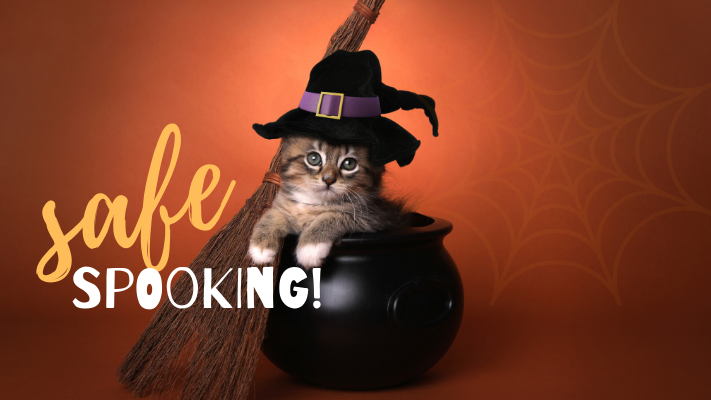
Do you have plans for trick-or-treating this month? Parties? Visiting kiddos in creative costumes? As Halloween activities can often stretch through much of October, our Magnolia Veterinary Hospital veterinary staff provides these tips to help keep this fun and spooky holiday safe for furry family members, too! You can help your pet enjoy the season by being mindful of “F.E.A.R.: food, environment, attire and recovery”

If you only visit our Magnolia Veterinary Hospital when your pet is injured or sick, you’re missing the opportunity to get a complete picture of her health. The preventive care exam allows our veterinarians to detect potential health issues and begin monitoring or treating them right away. By committing to preventive care, you could extend it by months or years. It’s well worth the investment when you consider how much love and joy your pet brings into your life.
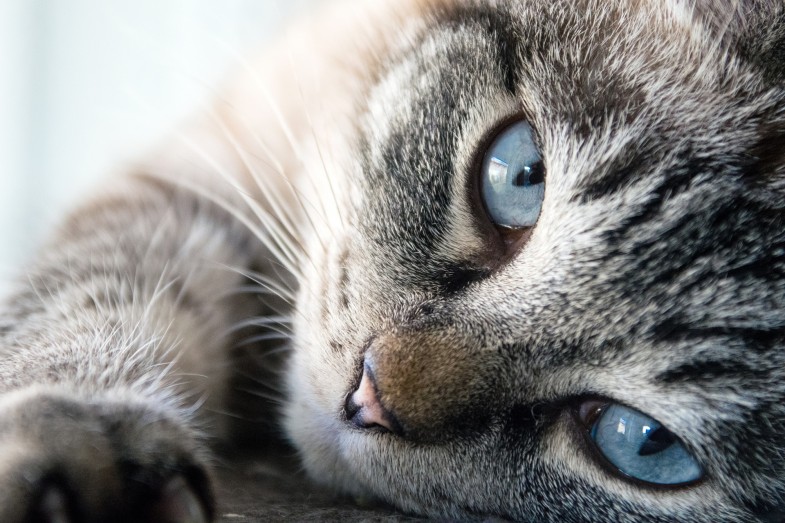
Acute moist dermatitis, more commonly known as hot spots, occurs due to a bacterial infection on your pet’s skin. Your dog or cat will naturally bite, chew, lick or scratch his skin in response to an irritant. Unfortunately for your pet, this tends to increase rather than decrease his discomfort. Anal gland disease, allergies to fleas or food ingredients, mange, tick bites, and inadequate grooming are the primary causes of hot spots in companion animals.